Engineering & Consulting
Two decades building and running live poker television — some of the most integrity-critical, technically demanding broadcasts on air. That engineering practice, from RF and firmware through cloud, is available as an engagement.
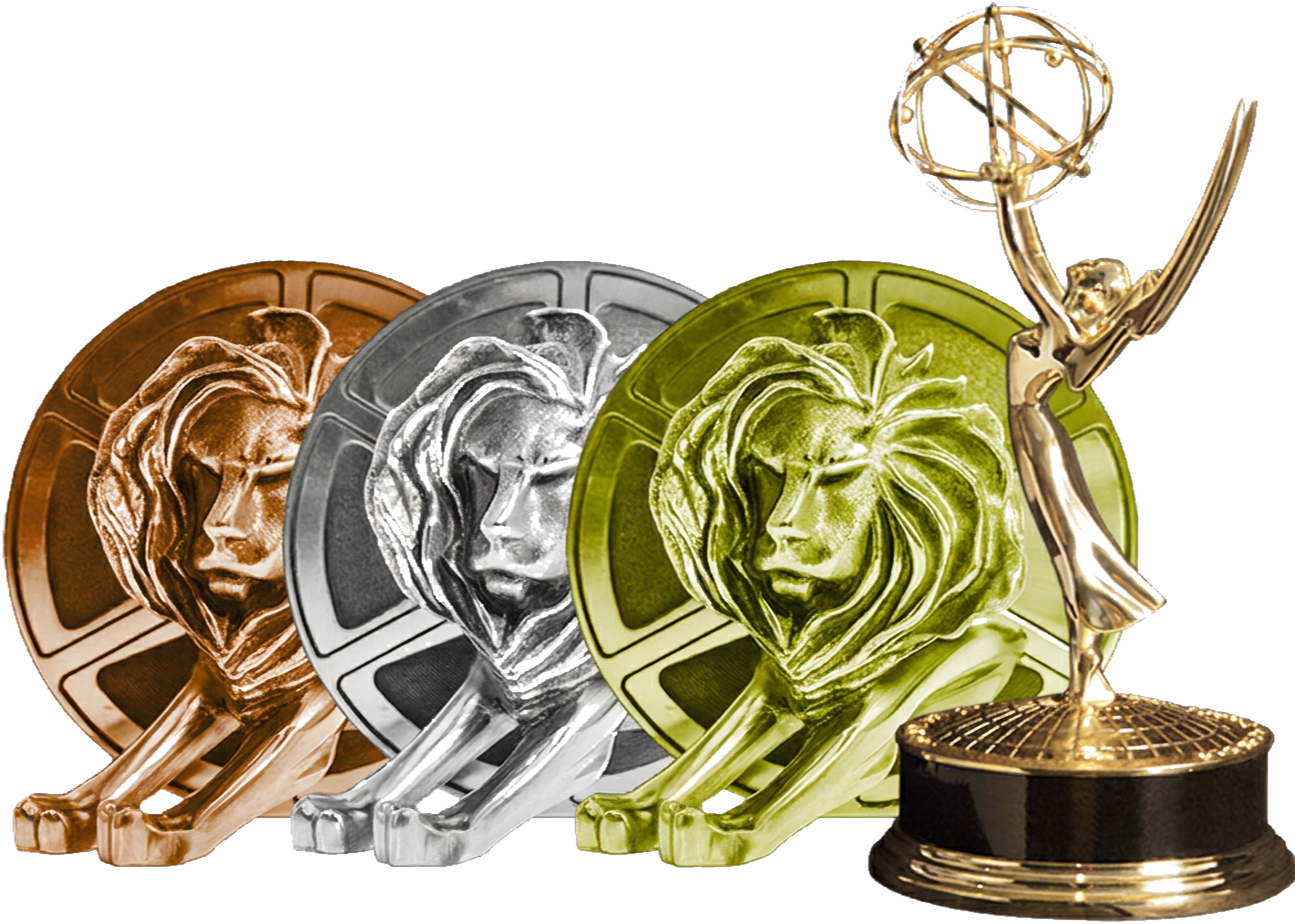
Final Table Technologies Inc. was founded by Kelly Lewis, inventor of the RFID playing card. The patent was filed in 2005, and it is the technology behind hole-card reveal television — the thing that turned poker from a game an audience watched into a story an audience could follow. Kelly Lewis is an Emmy Award winner and a multiple Cannes Lions Award winner.
The invention was the beginning, not the résumé. Kelly served as Engineering Architect and Technical Producer for Poker PROductions in 2013, and as Engineering Architect and Technical Producer for the World Series of Poker broadcasts — the largest, longest, most scrutinized live poker broadcasts there are. Architecting the system is one job; standing behind it while it goes to air is another. Kelly has done both, on the same shows, at the same time.
Final Table Technologies Inc. exists to build the next generation of that technology — and to make the same engineering available to productions, venues, and operators who need it built right the first time. When you engage us, you are not buying a vendor's best guess at broadcast requirements. You are hiring the practice that wrote them.
Emmy and Cannes Lions recognition for work in televised poker and broadcast technology.
Nine disciplines, one team — antenna through firmware, capture through compositor, data model through cloud.
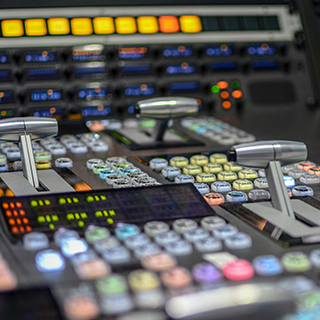
Multi-camera ingest, frame-accurate switching, delay-buffered playout, and redundancy designed for the worst night rather than the demo. Signal flow, failure domains, and recovery paths documented before a single cable is pulled.
Fill+key pipelines, GPU compositing, and node-based motion graphics systems. Designer-to-air workflows that get a motion designer's intent onto a downstream keyer without a rebuild — and hold frame rate when the rundown changes under them.
SDI from SD through 12G and IP transport over SRT, NDI, and ST 2110. Hardware capture and playout on DeckLink- and AJA-class devices, codec and hardware-encoder selection, color science, and genlock and timecode discipline that survives a facility audit.
Hole-card data isolation, tiered access control, enforced broadcast delay, and tamper-evident audit trails. Designed so that even the production team cannot leak what the audience must not see — integrity as an architecture, not a policy memo.
Antenna geometry and RF front-end design, embedded firmware, custom PCBs, and the bench work that separates a read rate that demos from a read rate that holds for eight hours under stage lighting. From patent to production.
GPU compositing in the cloud, delayed remote production, multi-destination delivery, and archival pipelines. Remote workflows engineered around real network behaviour and a stated latency budget, not a best case.
Real-time card and game-state recognition from video, and automated data extraction from archival footage. Models trained on the conditions that actually occur — motion blur, glare, occlusion, and the angles a camera operator gives you.
Live stats, hand histories, second-screen synchronization, and low-latency data-to-graphics binding. One authoritative game state feeding air, the app, and the archive — so the number on screen and the number in the database never disagree.
Portable broadcast systems design, LED and set integration, and RF coordination. Power, heat, weight, and cable runs treated as first-class design constraints, because a room and a load-in schedule decide what is actually buildable.
Scoped from a two-week audit to a multi-season production. Pick the one that matches where the project actually is.
An independent read on an existing broadcast chain, graphics stack, data pipeline, or integrity model — including the parts nobody wants to open.
We specify, build, integrate, and commission the whole system — then hand it over with documentation your crew will actually use.
Our engineers on your show, on your rundown, accountable for air. Technical direction and broadcast engineering staffed for the run.
For the requirement nothing on the market meets. We have taken this path before — the RFID playing card started the same way.
Live has no second take. The system either holds for the length of the show or it does not, and everyone watching finds out at the same moment. In this genre it is stricter still: one hole card on screen a moment early is not a glitch, it is the end of the product's credibility — so security has to be engineered into the architecture, where a single frame cannot escape it, rather than bolted on as a rule people are asked to follow.
That standard is only reachable if one team owns the whole chain. Antenna through firmware, capture through compositor, data model through cloud, rehearsal through air — under one roof, where the seams are, because the seams are where live shows break.
A system to audit, a show to build, a season to run, or a problem no one has solved yet. Tell us what has to work — and when it has to work by.
Start a Conversation